

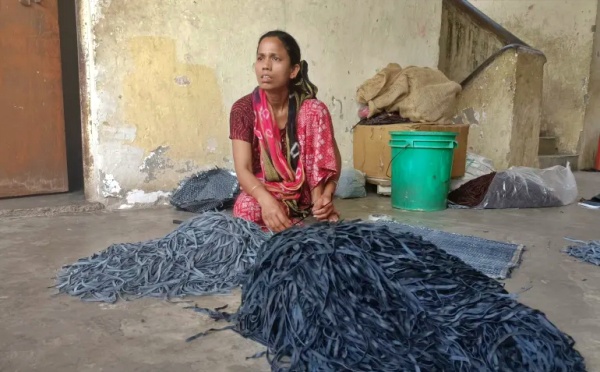
June 2026 – This month, 30 years ago, an effort was made to change the condition of Home Based Workers (HBWs) – with little success so far.
The International Labour Organisation (ILO), during a conference at its headquarters in Geneva, Switzerland, adopted the landmark “Convention 177”, or the Home Work Convention on June 20, 1996, recognising HBWs at the same level as traditional wage earners.
It was the first comprehensive call to set an international standard for the HBWs. The convention called upon ILO members to adopt and implement policies that promote equality of treatment between HBWs and other wage earners.
Convention 177 officially came into force on April 22, 2000.
However, only 13 countries have ratified it so far and none from South Asia. That is despite Asia and the Asia-Pacific regions accounting for the largest concentration of HBWs, as well as being the hub of global fashion and manufacturing supply chains.
Labour rights activists, experts and labour economists say a lack of recognition of the HBWs despite three decades of adopting the ILO convention has deepened structural inequalities among the workers.
According to them, the HBWs, especially women, remain largely “invisible” to the policymakers, while they are forced to work for inadequate wages under unsafe and exploitative working conditions.